Results-driven Data Science Graduate with First Class Honours and practical industry experience as an AI Engineer. Proven expertise in developing and deploying machine learning models, building data pipelines, and creating interactive visualizations using Python, TensorFlow, PyTorch, and SQL. Proficient in transforming complex datasets into actionable insights through statistical analysis and visualization tools like PowerBI and Tableau. Adept at leveraging analytical thinking and innovative problem-solving approaches to drive data-driven decision-making in dynamic professional environments.
Skilled at analyzing complex issues and architecting robust data solutions.
Translating technical complexity into clear, actionable business insights.
Leading initiatives and guiding teams to deliver high-impact solutions.
Thriving in cross-functional teams bridging engineering and product.
Quickly mastering new frameworks in rapidly evolving tech landscapes.
Staying at the bleeding edge of AI, ML, and data engineering research.
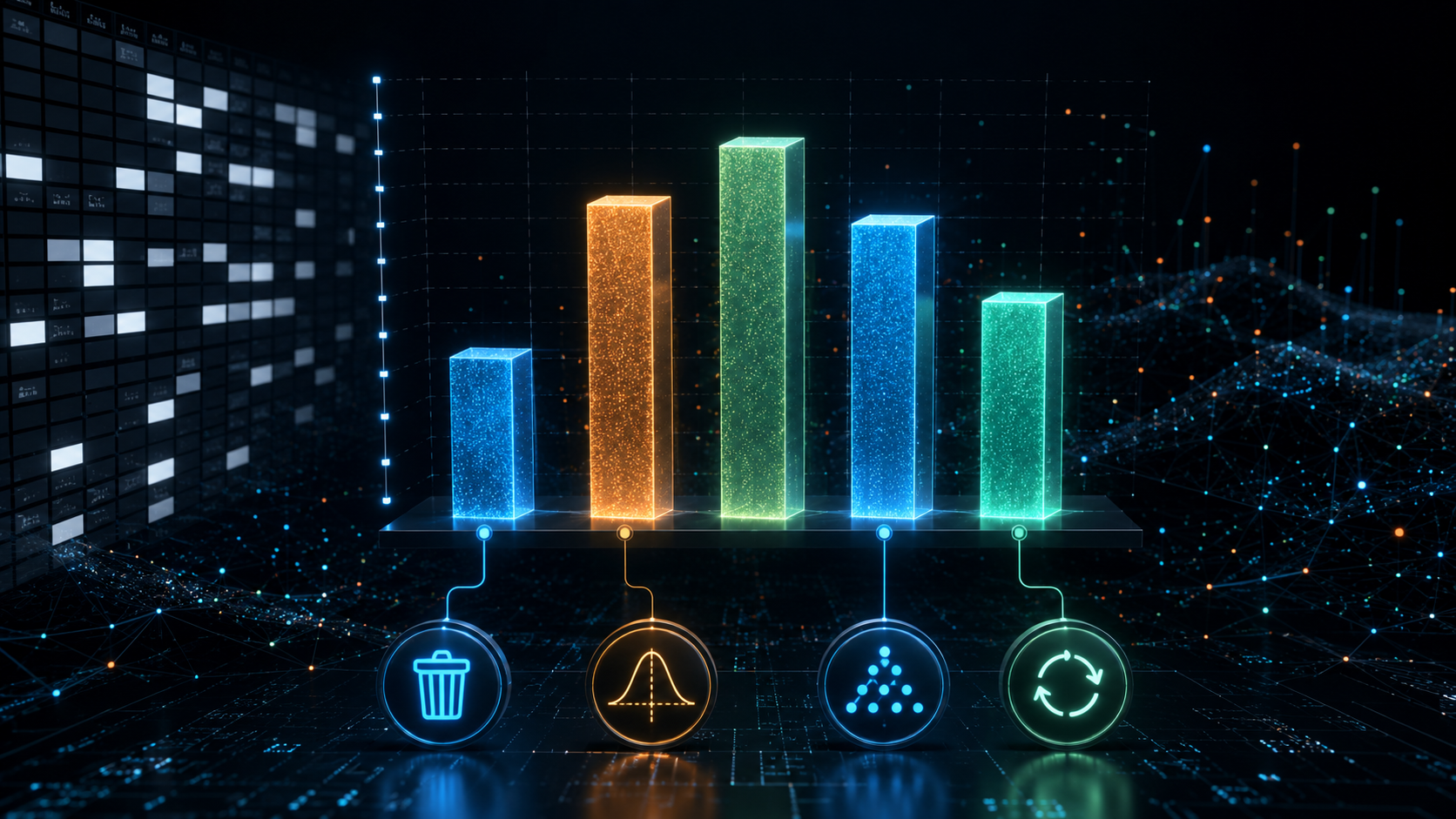
Rather than confining myself to a single isolated phase, my background spans the entire Data Science Lifecycle — from uncovering and defining the business problem to engineering data foundations, training AI models, orchestrating MLOps, and delivering tangible, end-to-end production outcomes.
How every data product progresses from initial discovery to measurable impact
Partnering directly with domain stakeholders to diagnose operational bottlenecks, define quantitative success metrics (KPIs), evaluate data feasibility, and translate business challenges into actionable ML/analytical formulations.
Problem Formulation Doc, Target KPI Matrix, Data Audit & Feasibility Roadmap
Architecting automated multi-source ingestion pipelines, scalable modern Lakehouses and Warehouses across major cloud ecosystems (AWS, GCP, Azure), exploratory data analysis (EDA), validation schemas, and engineering high-signal predictive features.
Automated ETL/ELT Pipelines, Cloud Lakehouse / Delta Tables & Reusable Feature Stores
Developing and iteratively evaluating models — ranging from ensemble statistical algorithms (XGBoost/LightGBM) and deep neural architectures (PyTorch/TensorFlow) to RAG pipelines, Vector Search, and Autonomous Agent workflows.
Calibrated Models, Cross-Validation Benchmarks & Explainability (SHAP/LIME)
Productionizing models into hardened microservices across cloud environments (AWS, GCP, Azure) using Docker containerization, high-performance REST APIs (FastAPI/Flask), automated CI/CD deployment pipelines, and continuous telemetry monitoring for drift.
Containerized Microservices, Multi-Cloud CI/CD & Drift Telemetry
Closing the loop by translating predictions into intuitive decision-making tools: interactive executive dashboards (Power BI / Tableau), human-in-the-loop web apps (Streamlit), automated alerting triggers, and measurable ROI.
Executive BI Cockpits (Power BI / Tableau), Interactive Web Apps, Stakeholder Enablement & ROI
Tangible end-to-end architectures I build and deploy across domains
Custom predictive systems that forecast business demand, score financial risk, predict customer churn, and detect operational anomalies — integrated cleanly into day-to-day operations.
Intelligent agentic systems and enterprise RAG pipelines capable of deep multi-document understanding, autonomous tool calling, semantic vector search, and context-aware reasoning.
Scalable multi-cloud data architectures unifying batch and streaming ingestion across AWS, GCP, and Azure into robust lakehouses with optimized semantic data models and high-impact executive dashboards.


 TensorFlow
 PyTorch
 Keras
Keras
 MLflow
 Scikit-learn
 PySpark
 Hugging Face
LangGraph
Hugging Face
LangGraph
 LangChain
 GenAI
GenAI
 ONNX
ONNX
 CrewAI
 Power BI
 Tableau
 Looker
 Matplotlib
 Seaborn
 Plotly
 Hadoop
 AWS
AWS
 Azure
Azure
 Google Cloud
 Oracle
Snowflake
Oracle
Snowflake
 MS SQL Server
 Docker
 Airflow
 Databricks
 Kafka
Kafka
 PostgreSQL
 Cosmos DB
 Next.js
 React
React
 TypeScript
 Node.js
 Tailwind CSS
 Flask
Flask
 FastAPI
 HTML
HTML
 CSS
CSS
 JavaScript
 Gradio
 Git
Git
 Streamlit
Zustand
Streamlit
Zustand

Codebell PVT LTD, Sri Lanka | Feb 2025 - Feb 2026
Freelance | 2023 – 2025

LB Finance, Sri Lanka | November 2021 - April 2022
An enterprise-grade fraud detection platform built on Microsoft Fabric uniting batch, real-time streaming, and relational warehousing into a zero-copy data mesh. Ingested historical transactions from AWS S3 via OneLake shortcuts, processed Silver Delta tables using PySpark, and handled sub-second streaming analytics using Eventstream and Eventhouse (KQL). Fused multi-engine telemetry inside Synapse Data Warehouse with T-SQL and delivered sub-second Direct Lake Power BI dashboards with real-time Data Activator alerting.
 Microsoft Fabric
 PySpark
T-SQL & KQL
Power BI (Direct Lake)
AWS S3
PySpark
T-SQL & KQL
Power BI (Direct Lake)
AWS S3
A multi-tenant cloud data architecture bridging Azure Databricks with Microsoft Fabric for zero-copy data sharing. Features an automated PySpark Medallion pipeline (Bronze/Silver/Gold) and MLflow model tracking in Unity Catalog, mounted directly into a Fabric Lakehouse via OneLake ADLS Gen2 Shortcuts to power a sub-second Direct Lake executive dashboard in Power BI.
Databricks
Fabric
PySpark
Power BI
MLflow
An end-to-end serverless data lake architecture on AWS for financial credit risk analysis. Orchestrated a batch ETL pipeline using AWS Glue (PySpark) to transform raw CSV data into partitioned Parquet files (Bronze/Silver/Gold layers) in Amazon S3. Leveraged Amazon Athena for serverless SQL querying and Amazon QuickSight for interactive BI dashboards, implementing strict IAM policies and S3 lifecycle rules for cost optimization.
AWS
PySpark
Python
 SQL
SQL
An enterprise-grade, event-driven data platform built entirely on Microsoft Fabric. Features a PySpark & T-SQL Medallion architecture for processing 100k+ historical records, native MLflow integration for automated ML batch scoring, and a parallel KQL streaming pipeline for real-time risk detection.
Power BI
Fabric
PySpark
 T-SQL
T-SQL
 Scikit-Learn
MLflow
Scikit-Learn
MLflow
An enterprise data architecture built entirely on Microsoft Fabric automating telecom capacity upgrades. Features a serverless Python UDF rules engine bridging two pipelines: a PySpark Medallion architecture (Bronze/Silver/Gold) for heavy batch processing, and a KQL Eventstream monitored by Data Activator for real-time anomaly alerting.
Fabric
PySpark
Power BI
Python
 T-SQL
T-SQL
A unified data analytics platform built entirely on Microsoft Fabric. Features a dual-pipeline architecture: a PySpark-powered Medallion architecture (Bronze/Silver/Gold) processing 100k+ historical records, and a custom Python simulator streaming live checkout events to a sub-second Real-Time KQL Dashboard and Power BI via Direct Lake.
Power BI
Fabric
PySpark
Python
A Generative UI e-commerce concierge utilizing an LLM decision engine. It autonomously parses unstructured, multi-lingual intent (Singlish/Tanglish) via NER and executes Model Context Protocol (MCP) tool calls against live production databases to dynamically render React interfaces and automate retention workflows.
 Next.js
React
Next.js
React
 Tailwind CSS
A production-grade MLOps platform processing 100k+ orders using serverless-first Medallion Architecture. Features demand forecasting (R² 0.36), collaborative filtering recommendations, and a "Whale Detector" identifying high-value at-risk VIPs after pivoting from failed churn prediction.
Azure Cloud
Databricks
PySpark
Docker
Delta Lake
MLflow
Power BI
 Spark MLlib
A unified zero-copy analytics platform built entirely on Microsoft Fabric. Features a PySpark-powered Medallion architecture enriching live multi-city streaming telemetry (TfL Bikes, NYC Taxis) into a Delta Lake Star Schema, paired with a dual-speed reporting solution via KQL Real-Time Dashboards and Power BI Direct Lake.
Power BI
Fabric
PySpark
T-SQL
Developed a production-grade NBO engine utilizing Collaborative Filtering (ALS) on Azure Databricks. Architected a serverless inference layer using Azure Functions and Blob Storage, achieving sub-100ms execution latency through global in-memory caching and optimized data serialization.
Azure Cloud
Python
Databricks
Apache Spark
 Azure Functions
ALS Algorithm
Blob Storage
Azure Functions
ALS Algorithm
Blob Storage
 Streamlit
An autonomous AI system that prevents customer churn by correlating structured billing data with unstructured complaint logs to negotiate retention offers in real-time using multi-agent cognitive architecture.
Azure Cloud
Python
Docker
 FastAPI
LangGraph
FastAPI
LangGraph
 Gemini Flash
Azure SQL
Cosmos DB
Vector RAG
Gemini Flash
Azure SQL
Cosmos DB
Vector RAG
Production ML system on Google Cloud predicting flight delays. Features Explainable AI for transparent decisions and sub-200ms inference on 5M+ records.
Vertex AI
TensorFlow
Explainable AI
MLOps
REST API
An end-to-end pipeline bridging Machine Learning and Business Intelligence. Feeds churn predictions and SHAP values into a highly interactive Power BI dashboard, empowering stakeholders to filter high-risk customers, simulate ROI, and drill down into exact churn reasons.
Python
 Pandas
Scikit-Learn
SHAP
Power BI
Pandas
Scikit-Learn
SHAP
Power BI
An advanced data engineering and BI pipeline that extracts live cryptocurrency prices and news headlines. It utilizes a local Large Language Model (Llama 3.2 via Ollama) to generate automated sentiment scores, storing the structured data in PostgreSQL and visualizing market correlation in Power BI via DirectQuery.
Power BI
Python
PostgreSQL
Enterprise-grade Financial Performance Dashboard built in Power BI for C-level executives. Focuses on financial variance, margin efficiency, and revenue concentration risk using robust data modeling and advanced DAX time-intelligence functions to ensure mathematical accuracy across fiscal periods.
Power BI
DAX
Financial Analytics
Interactive, executive-level Human Resources (HR) Analytics Dashboard built in Tableau. Identifies root causes of employee attrition and estimates financial impacts using advanced visual storytelling, Predictive Flight Risk Flagging, and dynamic calculated fields.
Tableau
Data Analytics
HR Analytics
Engineered a Neural-Symbolic AI System using LangGraph and Llama 3.2 that autonomously routes queries between SQL databases and vector search (RAG) with parallel execution for complex reasoning tasks. Achieved <500ms latency on local GPU without cloud dependencies.
Python
LangGraph
PostgreSQL
Docker
Llama 3.2
Architected a cyclic AI agent using LangGraph and Gemini 2.5 to perform autonomous web research. Features a Dockerized FastAPI microservice with a Streamlit UI for real-time, grounded task execution.
Python
LangGraph
Docker
FastAPI
Gemini 2.5
End-to-end MLOps pipeline on Azure: ingests financial data, trains LightGBM models, and serves real-time predictions via serverless API. Cost-optimized architecture scales from $0 to production workloads.
Azure ML
Python
Blob Storage
SHAP
Engineered an enterprise-grade credit risk system combining LightGBM predictive modeling with Llama 3.2 for automated loan decisions. Features big data streaming with Polars, actuarial scorecard calibration, and real-time AI explanations—processing 2.2M+ records with <1GB RAM.
Python
LightGBM
Polars
Llama 3.2
Streamlit
Scorecardpy
End-to-end fraud detection system featuring automated experiment tracking, model registry management, and production-grade drift monitoring.
Python
MLflow
Docker
Flask
Developed a Lambda Architecture-based system for analyzing IoT energy consumption data with batch and real-time processing for anomaly detection.
 Apache Hadoop
Apache Spark
Kafka
Docker
Apache Hadoop
Apache Spark
Kafka
Docker
Analyzed 27,500 booking records to identify patterns in cancellations and no-shows, optimizing revenue and resource planning.
Python
Scikit-learn
Data Analysis
Customer Segmentation
A Neuro-Symbolic financial agent that orchestrates deterministic tools (Prophet, Risk Metrics) with LLM reasoning. Features autonomous multi-asset analysis, ensemble forecasting, and hybrid execution modes.
 Python
LangGraph
Streamlit
Python
LangGraph
Streamlit
 Docker
 Gemini
An autonomous AI agent that writes, debugs, and executes Python code to analyze raw data. Features a cyclic "Reason-Act-Observe" architecture using LangGraph and Gemini 2.5.
Python
LangGraph
FastAPI
Docker
Gemini
A complete AutoML system training 6 models (XGBoost, LightGBM, CatBoost) with Optuna optimization, achieving 86.89% accuracy. Split architecture: Colab training + Streamlit deployment.
Python
 Colab
Colab
 XGBoost
Streamlit
XGBoost
Streamlit
Implemented causal inference T-Learner to optimize email campaigns, achieving 123% conversion improvement while reducing costs by 70% through intelligent customer targeting.
Python
XGBoost
Causal Inference
Uplift Modeling
A hybrid AI system for precision marketing. Combines Unsupervised Learning (K-Means) for segmentation with Supervised Learning (XGBoost) to predict campaign buy-in with 90% AUC.
Python
Scikit-Learn
XGBoost
Looker
High-performance financial sentiment analysis using a Quantized (Int8) DistilBERT model. Reduced model size by 75% and boosted CPU inference speed by 3.5x using ONNX Runtime.
Python
 Hugging Face
ONNX
Gradio
Hugging Face
ONNX
Gradio
An end-to-end recommendation engine featuring a decoupled microservices architecture. Includes XGBoost inference, SHAP explainability, and automated CI/CD pipelines.
Python
FastAPI
 CI/CD
CI/CD
A progressive collection of NLP projects mastering LLM adaptation, from full BERT fine-tuning to parameter-efficient LoRA (95% reduction).
Python
 PyTorch
Hugging Face
PyTorch
Hugging Face
A comparative study of traditional ML and Transformer architectures (DistilBERT) on the SQuAD dataset, achieving 98% accuracy in question classification.
Python
Hugging Face
Scikit-learn
Developed an interactive sentiment analysis application that combines RoBERTa and VADER technologies with real-time visualizations.
Python
Hugging Face
Flask
Conducted comprehensive exploratory data analysis on Colombo's rental apartment market, analyzing 250+ property listings.
Python
Pandas
Matplotlib
Scikit-learn
Utilizing transfer learning with MobileNetV2/VGG16 architectures to identify brain tumors in MRI scans.
Python
TensorFlow
Transfer Learning
Computer Vision
Developed and deployed a Streamlit-based web application that uses LSTM models to predict stock prices for multiple brands.
Python
Streamlit
LSTM
User-friendly web application using Streamlit and Google's Generative AI to enhance resume quality across different experience levels.
Python
Streamlit
Generative AI
NLP
Analyzing user reviews from Amazon to determine sentiment towards products using pre-trained BERT model.
Python
BERT
NLP
Hugging Face
Predicts customer churn using XGBoost, Random Forest, and Logistic Regression with hyperparameter tuning.
Translated business requirements into interactive dashboards for real-time tracking of key performance indicators (KPIs).
A model that uses KMeans algorithm for customer segmentation by implementing the Elbow method.
Python
Scikit-learn
KMeans
Clustering
For years, the machine learning community has held a universal truth: deep learning rules unstructured text, but tree-based models rule structured CSVs.
So, I decided to test Google's new Tabular Foundation Model (TabFM) against the heavyweights: XGBoost and AutoGluon.
Can it automate tedious feature engineering? Yes.
Did it instantly beat a 10-minute AutoGluon ensemble on small datasets? Yes.
The catch? 𝐙𝐞𝐫𝐨-𝐬𝐡𝐨𝐭 𝐥𝐞𝐚𝐫𝐧𝐢𝐧𝐠 𝐢𝐬 𝐜𝐨𝐦𝐩𝐮𝐭𝐚𝐭𝐢𝐨𝐧𝐚𝐥𝐥𝐲 𝐭𝐞𝐫𝐫𝐢𝐟𝐲𝐢𝐧𝐠. While AutoGluon crunched the Telco Churn dataset on a standard CPU in 10 minutes, TabFM took over 70 minutes on a dedicated T4 GPU just to process a fraction of the rows. The future of tabular AI is here, but it requires serious hardware.
I wanted to see what it actually takes to build a bulletproof, autonomous AI data analyst.
Can you fully automate Exploratory Data Analysis (EDA) with AI Agents? Yes.
Can you do it just by feeding a CSV into an LLM? Absolutely not.
The biggest lesson? 𝐋𝐚𝐫𝐠𝐞 𝐋𝐚𝐧𝐠𝐮𝐚𝐠𝐞 𝐌𝐨𝐝𝐞𝐥𝐬 𝐚𝐫𝐞 𝐭𝐞𝐫𝐫𝐢𝐛𝐥𝐞 𝐚𝐭 𝐦𝐚𝐭𝐡.
If you feed them raw CSVs, they will confidently hallucinate your statistics.
To solve this, I had to completely decouple computation from interpretation. I built strict Python tools to let Pandas handle the deterministic math, while the LLMs focused entirely on heuristics and business insights.
Read Article
The first hour of any data project is objectively the worst. Staring at messy CSVs, guessing cryptically named columns, and writing endless .info() and pd.to_datetime() commands is the ultimate data engineering grunt work.
So, I decided to automate it. A fully automated, local Data Engineering Copilot to see if small, free, 3B-parameter models (like Llama 3.2 and Phi-3) could replace my Pandas boilerplate code and even sketch out my BI dashboards while they were at it.
I ran a controlled experiment to find out which missing data strategy actually produces the best machine learning model.
Here is what I tested:
Five imputation strategies (Drop Rows, Mean/Median, Mode, KNN, MICE) across three structurally different datasets (Heart Disease, Pima Indians Diabetes, Melbourne Housing), with missingness injected at 10%, 20%, and 30% rates. The only judge was downstream Random Forest F1 score.
Achieved the DP-600 certification, demonstrating expertise in designing, creating, and managing analytical assets such as semantic models, warehouses, and lakehouses using Microsoft Fabric.
Achieved the DP-100 certification, demonstrating expertise in applying data science and machine learning to implement and run machine learning workloads on Azure.
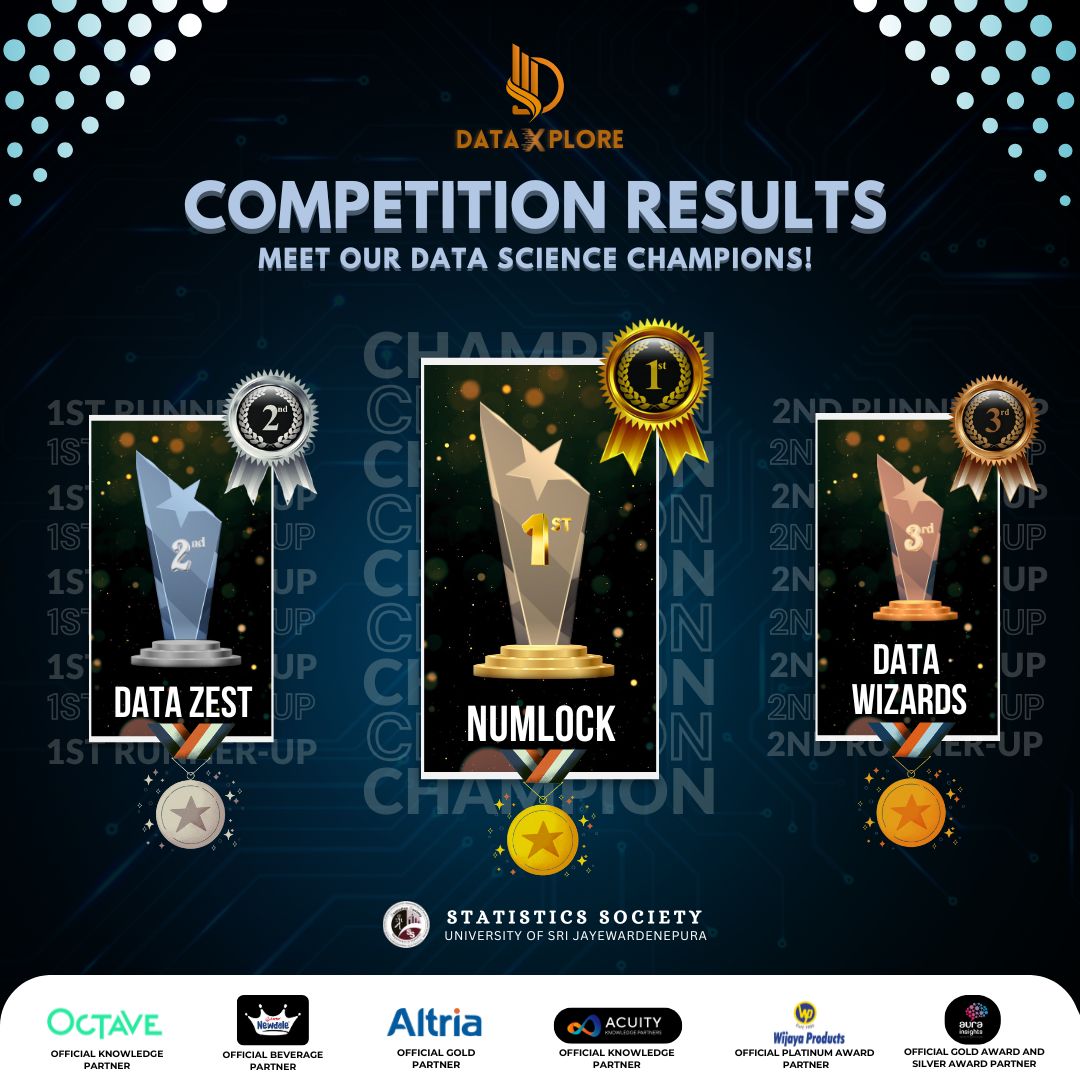
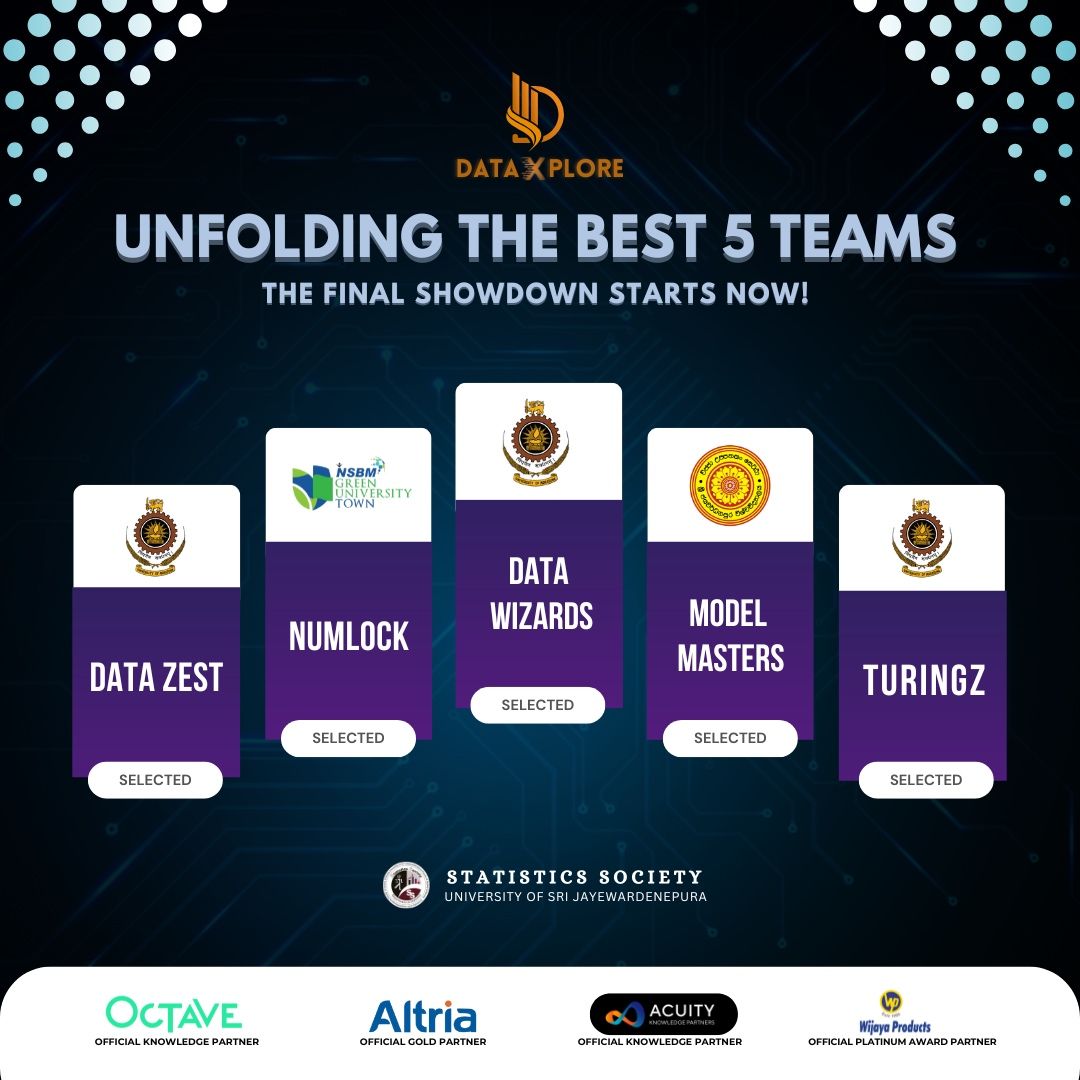
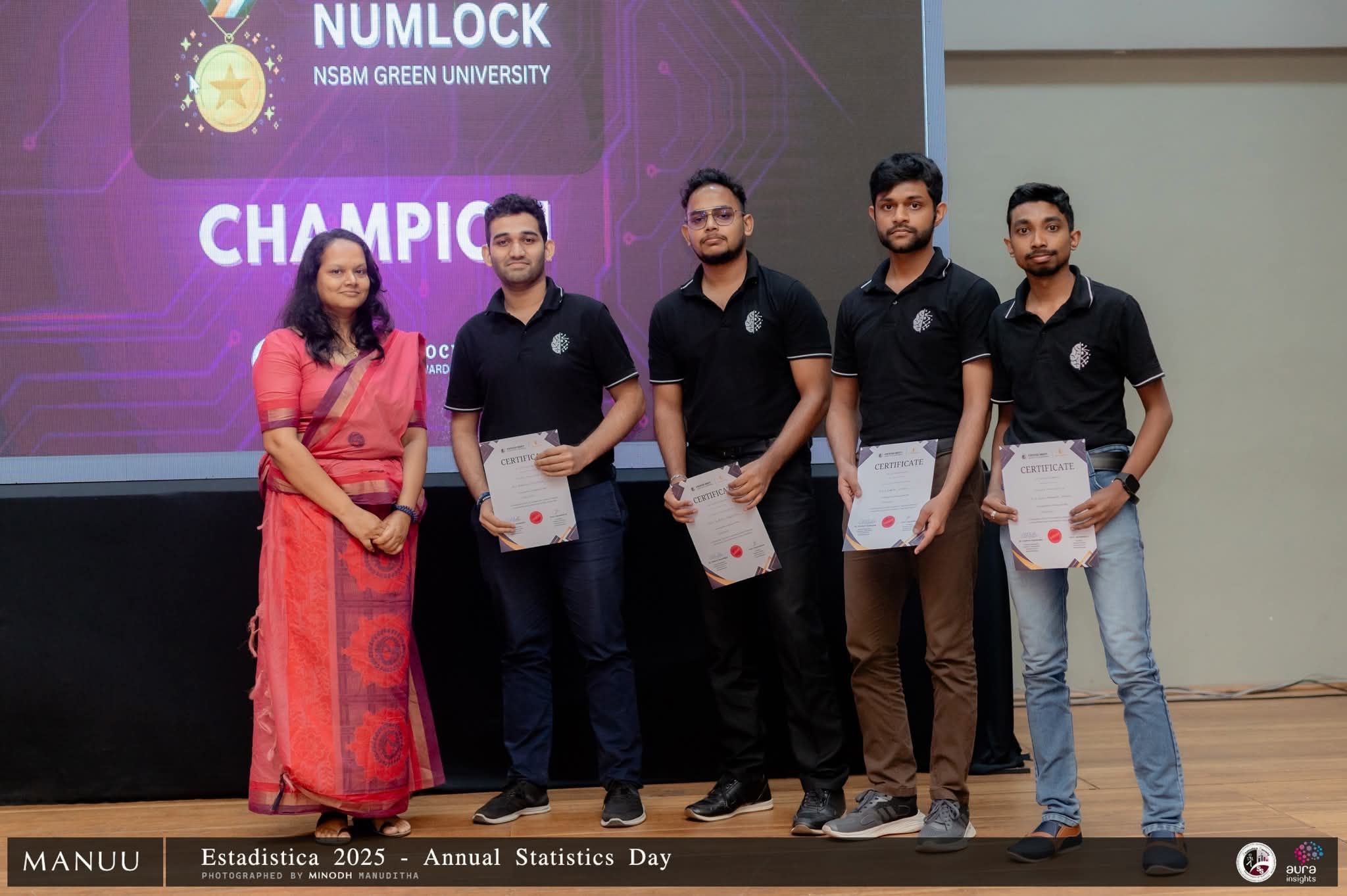
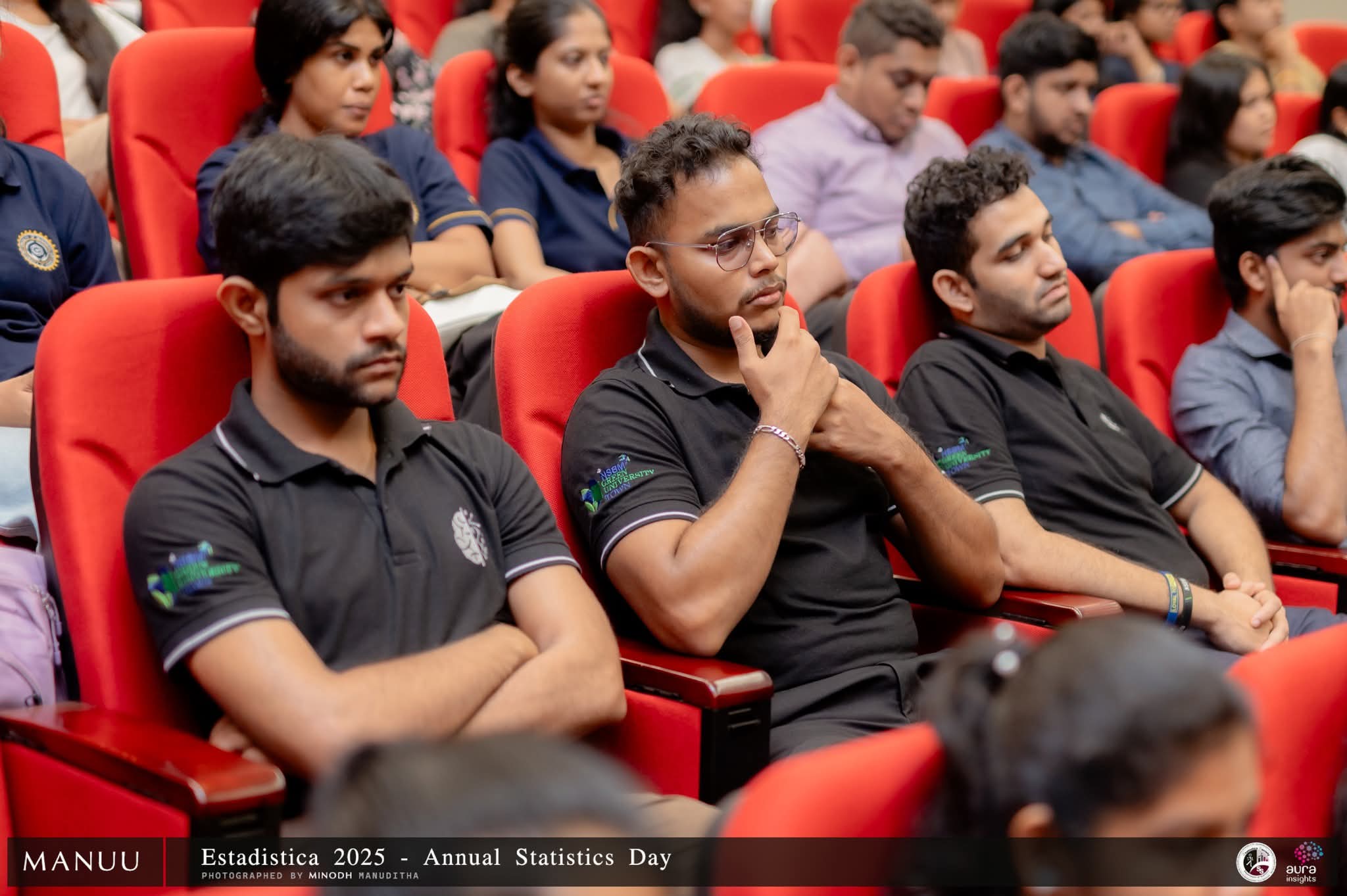
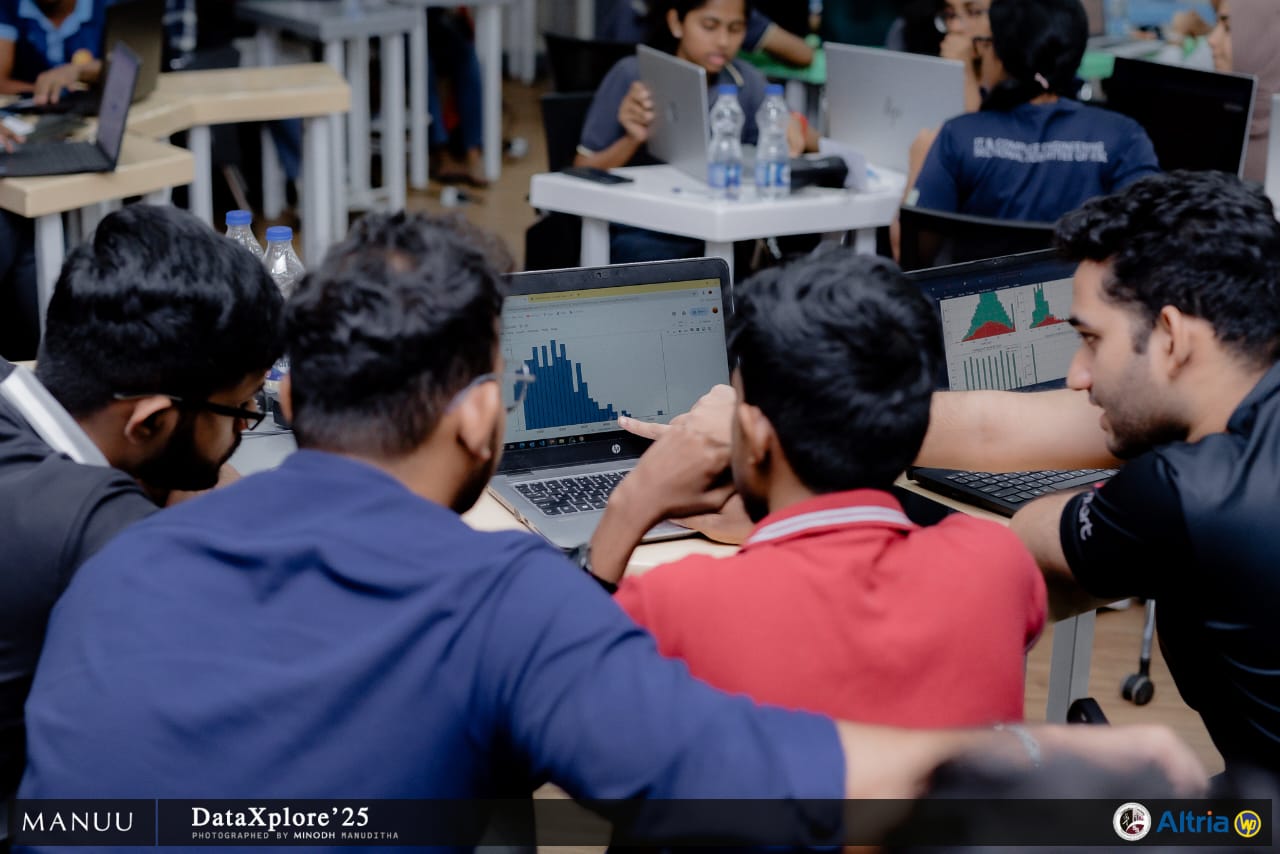
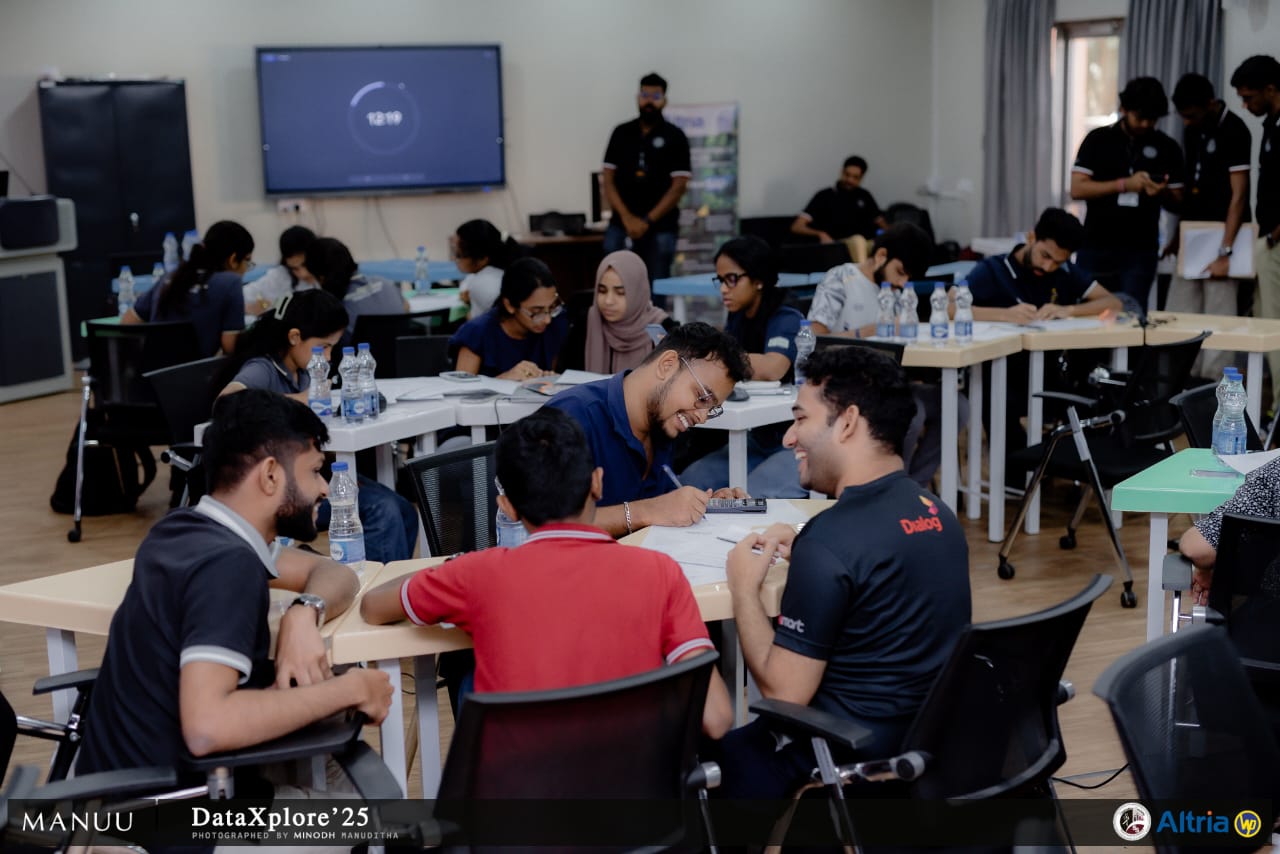
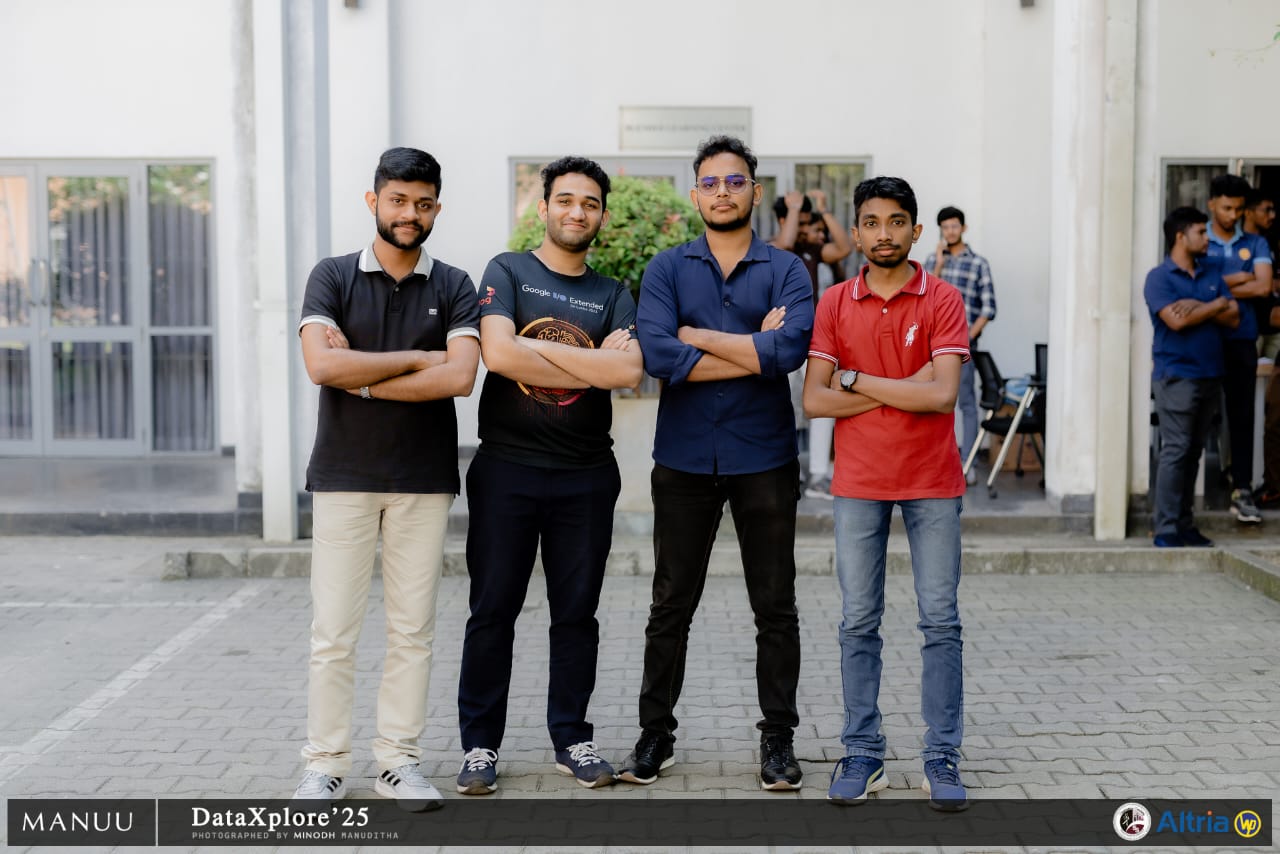
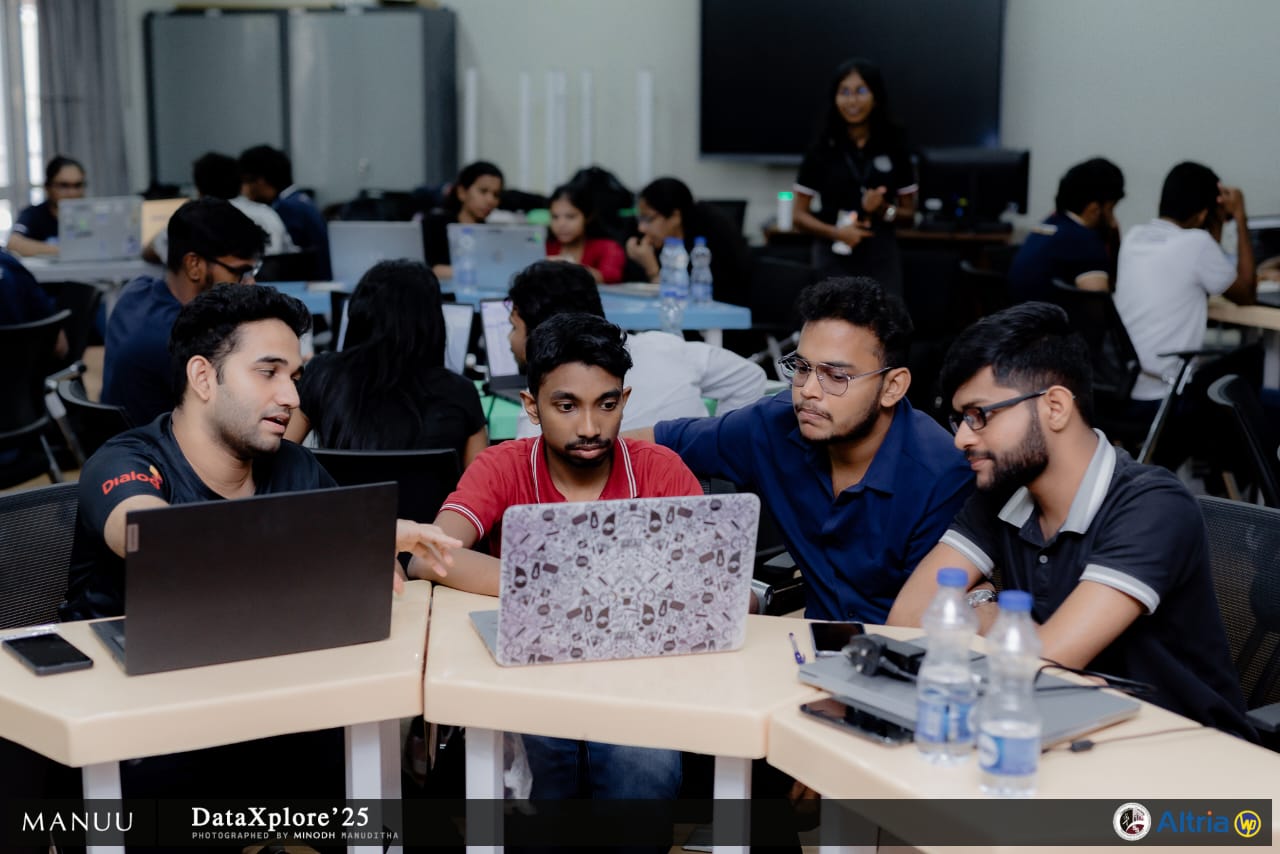
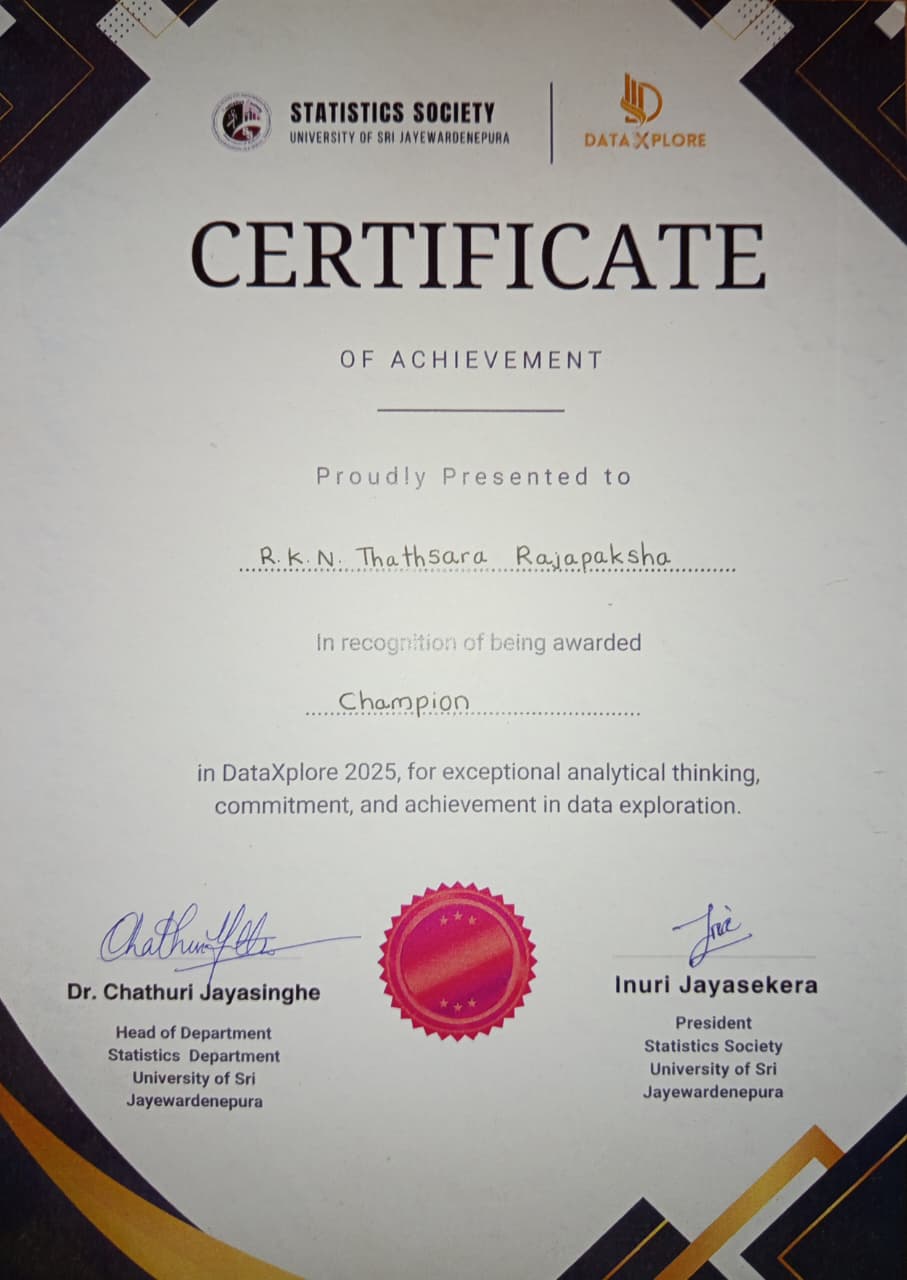
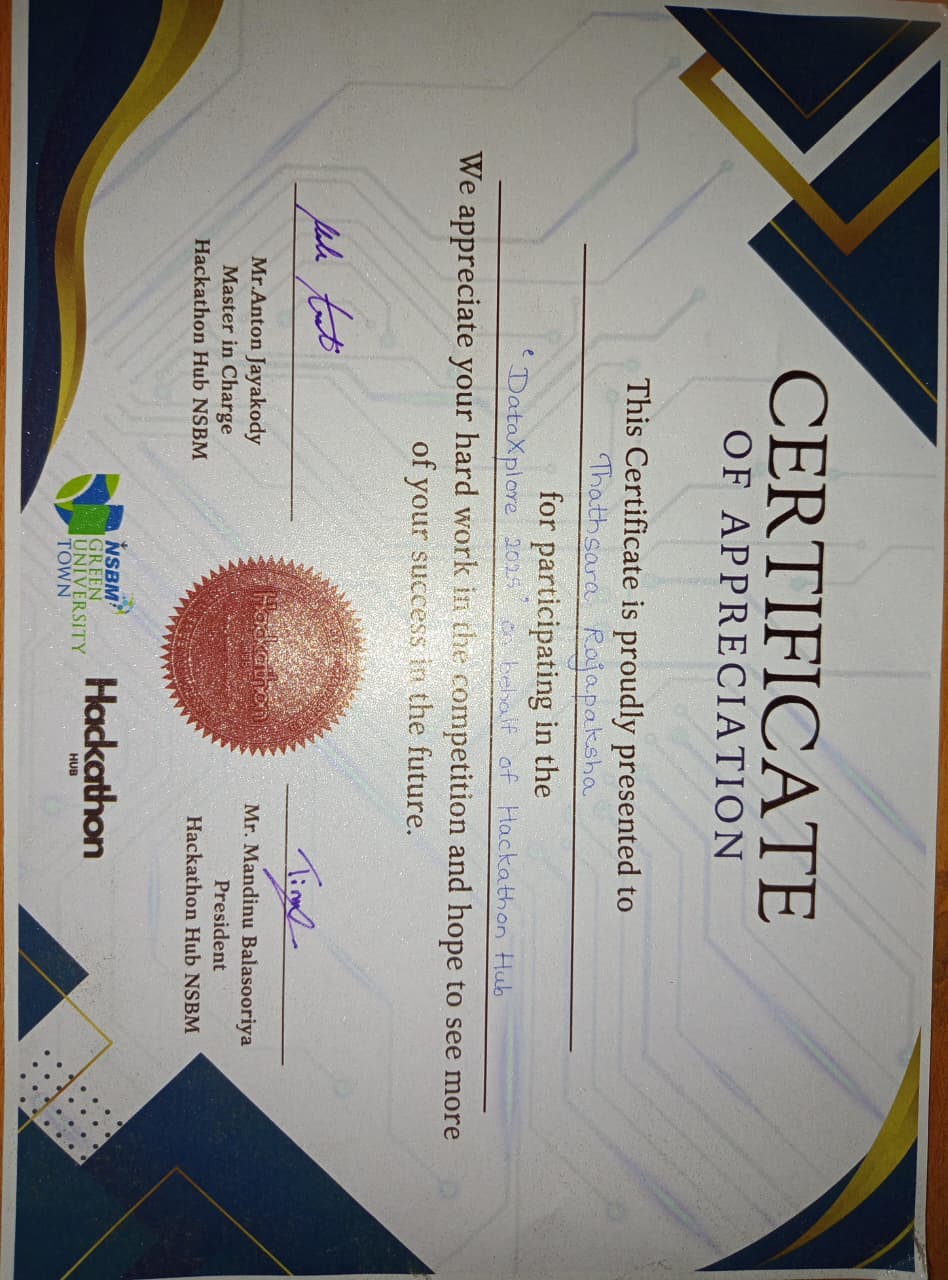
Won 1st place in a national-level Data Science competition organized by the Statistics Society of the University of Sri Jayewardenepura. The multi-stage challenge covered domains such as Exploratory Data Analysis, Machine Learning, Model Explainability, Time Series Analysis, and Statistical Reasoning.
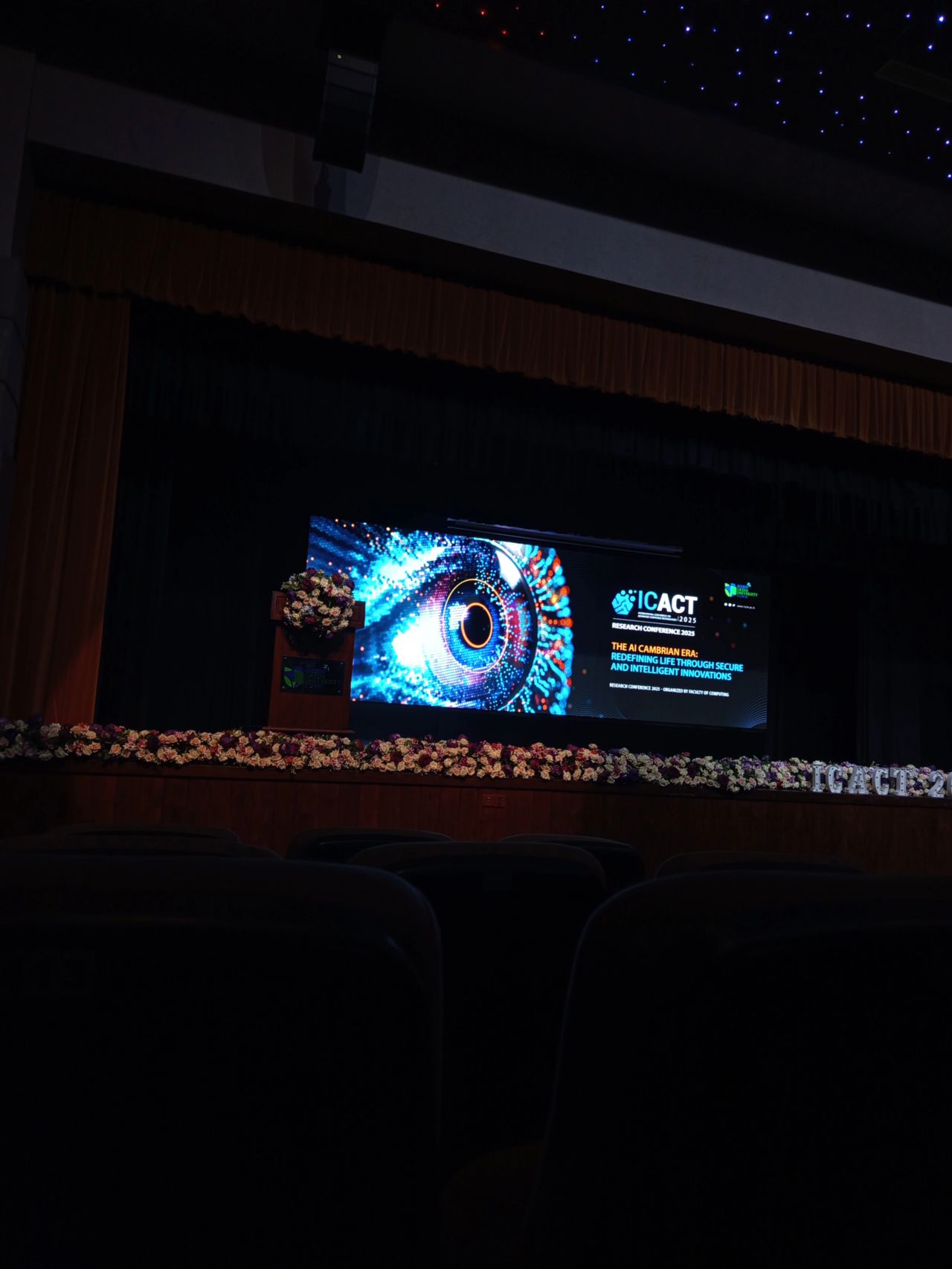
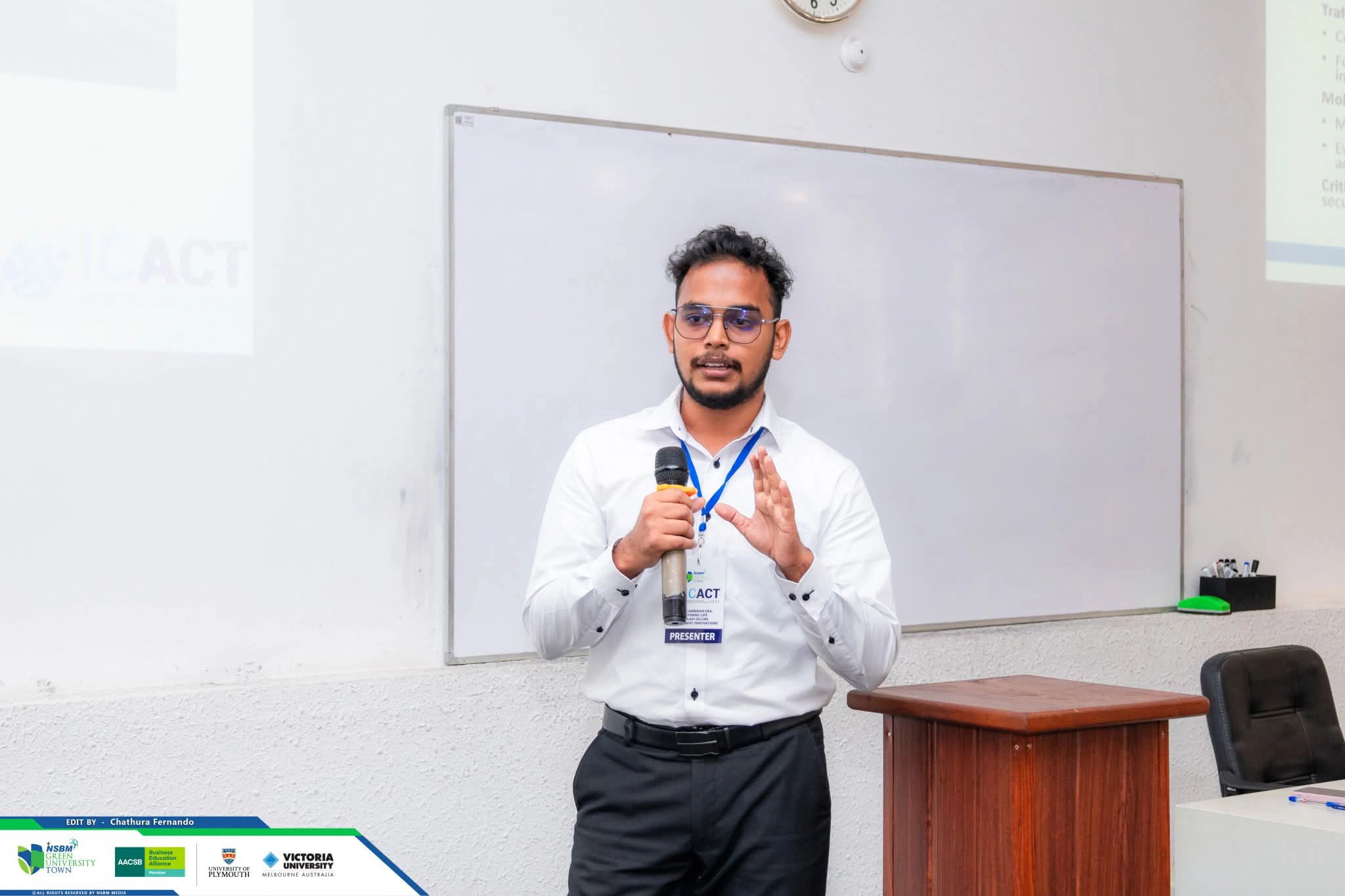
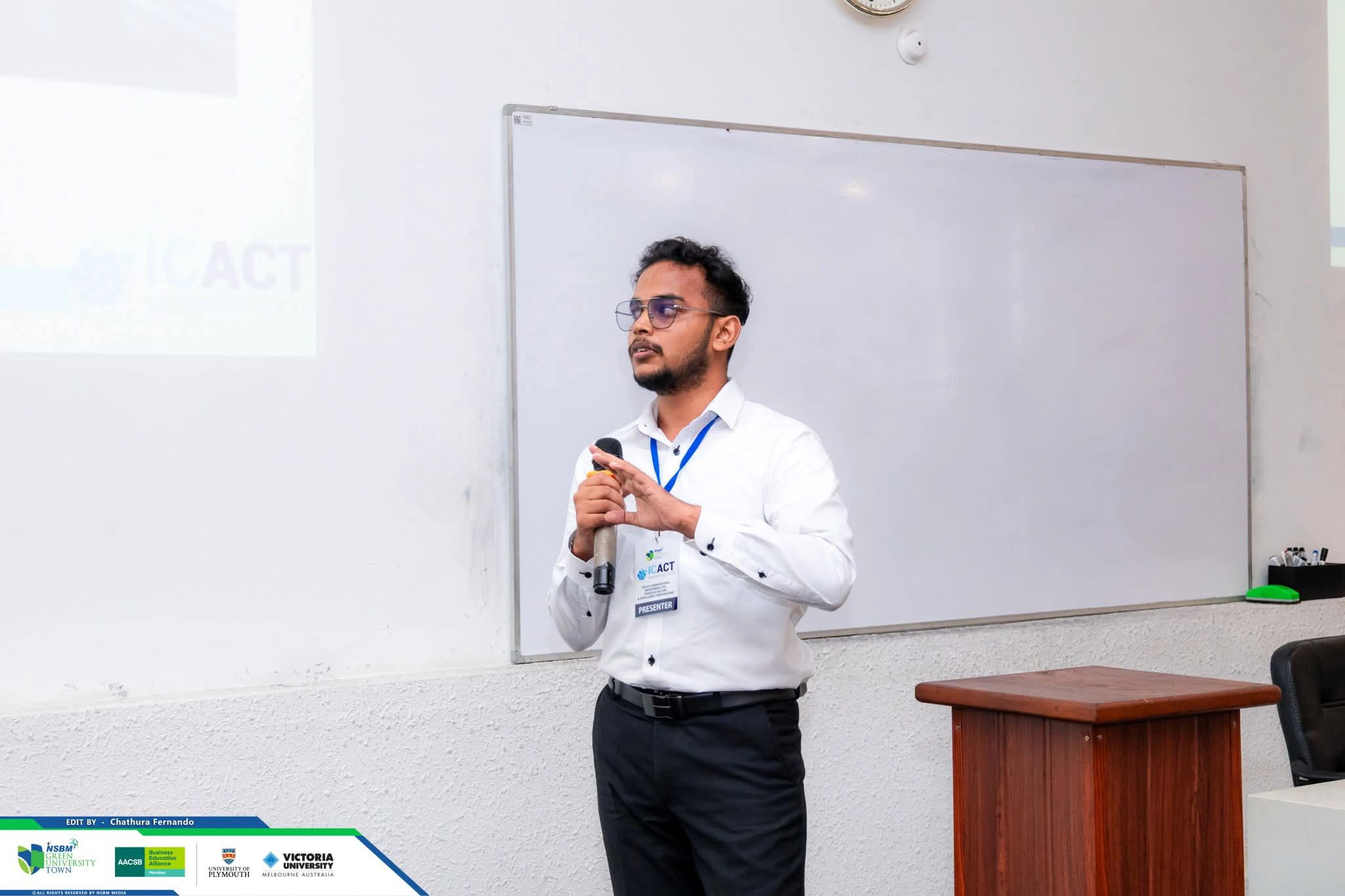
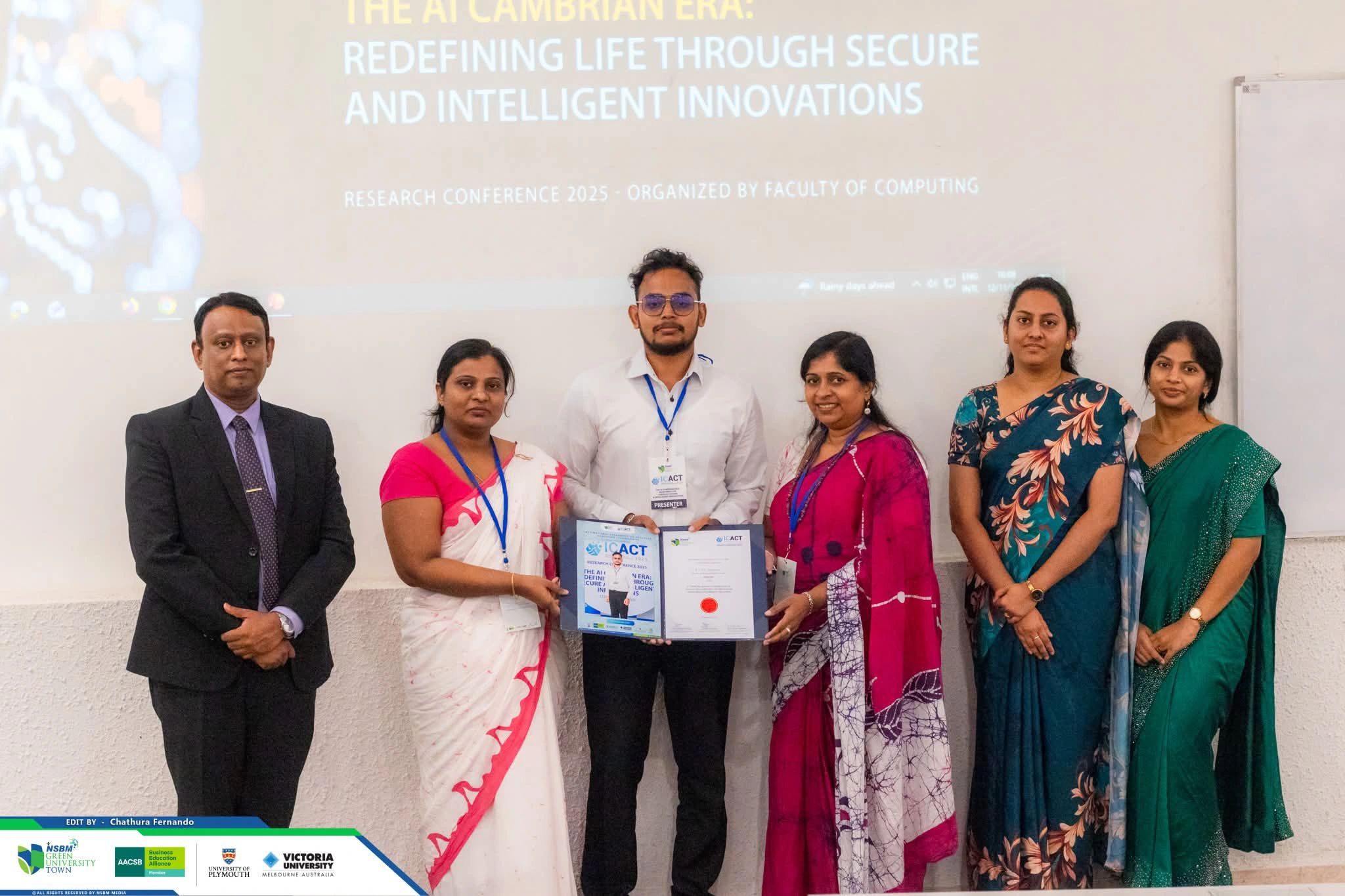
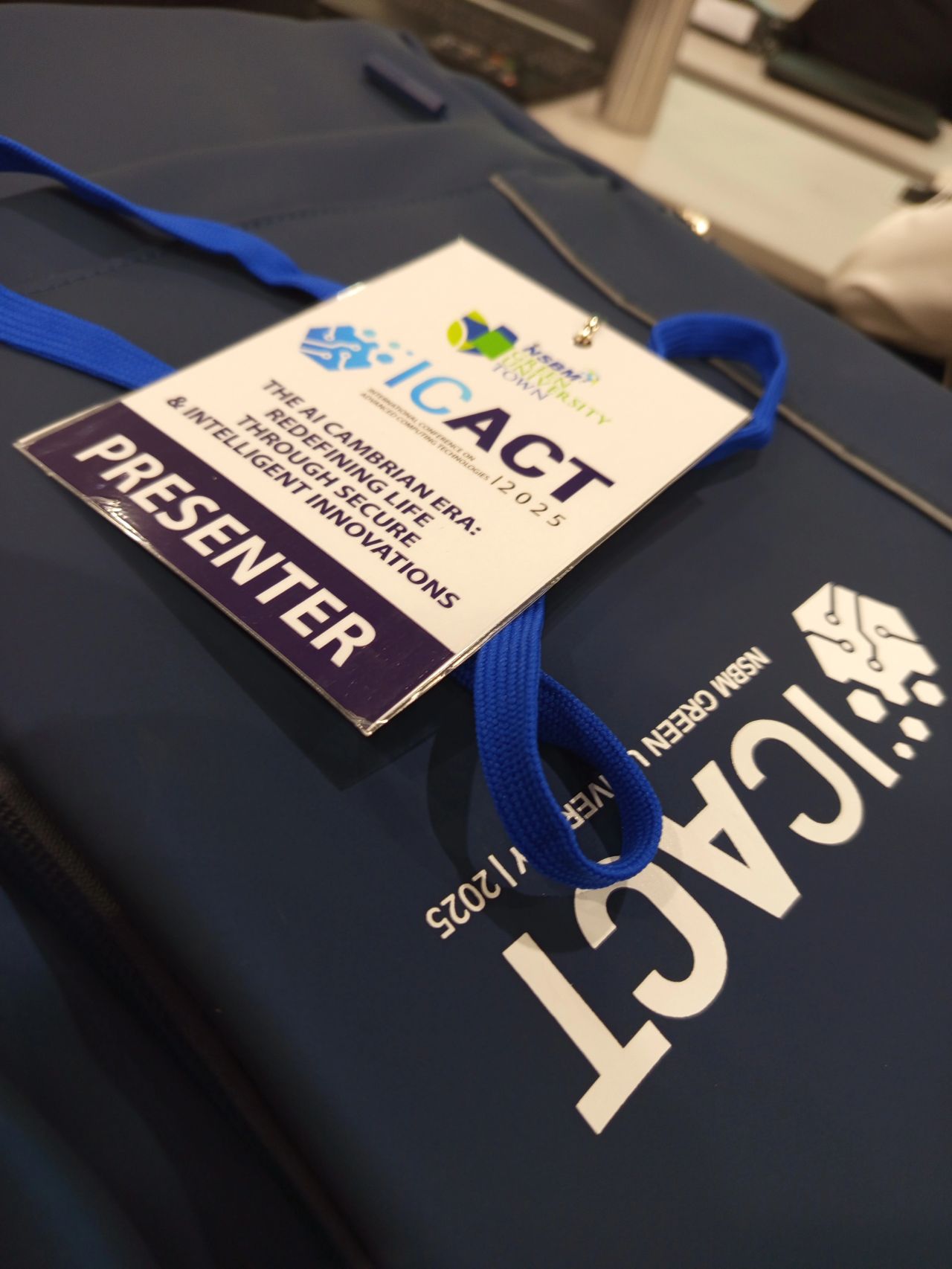

Shared our research on urban computing for sustainable university development at NSBM's 2nd International Conference on Advanced Computing.
Being part of exploring the future of AI and intelligent innovations was truly inspiring.

National School of Business Management (NSBM) - Sri Lanka | Dec 2025
GPA: 3.76/4.0 (First Class Honours)
Coursework: Machine Learning, Deep Learning, Big Data Analytics, Statistical Methods, Data Visualization, Cloud Computing, Natural Language Processing

Mahinda Rajapaksha College - Homagama, Sri Lanka | 2020
3 passes in GCE Advanced Level
Com. Maths: C, Physics: S, Chemistry: S, English: B
Five A Passes & Four B Passes

Microsoft Certified: Machine Learning Operations Engineer Associate (AI-300)
Oracle Cloud Infrastructure Architect Associate